More than 27,000 references of sport fishing equipment


Yamashita Naory : Petites Egi et suttes souples
Discover Yamashita Naory, a selection dedicated to small presentations for squid fishing. The Naory Range 1.8D lets you work the water with a compact egi, while Naory Oppai Sutte 0.8 and 1.2 complement your rigs with a soft body. Choose your model according to your technique, the depth you want to fish and the desired lure volume.
Filters
4 products.


Add to my wishlist "Squid jig YAMASHITA Naory range 1.8D"
This product has been added to your wishlist. Delete
This product has been successfully removed from your wishlists.

Add to my wishlist "YAMASHITA Naory Oppai Sutte 0.8 squid jig"
This product has been added to your wishlist. Delete
This product has been successfully removed from your wishlists.

Add to my wishlist "YAMASHITA Naory Range 2.3D Squid Jig"
This product has been added to your wishlist. Delete
This product has been successfully removed from your wishlists.
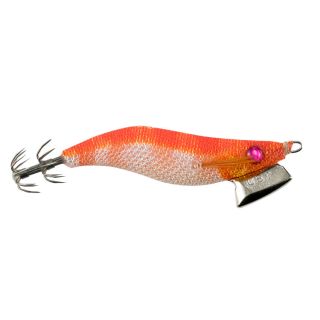


Yamashita Naory: a different approach to squid fishing
Reducing lure size opens up new possibilities in eging. A smaller presentation can complement your usual selection when you want to change the silhouette or fish with light tackle.
The Yamashita Naory family includes several types of lures. At Ardent Pêche, find the Naory Range 1.8D and Naory Oppai Sutte in sizes 0.8 and 1.2. To choose between these models, start by identifying their role in your rig.
Naory Range and Oppai Sutte: which model should you choose?
Naory Range 1.8D: a compact egi for exploring depth
The Naory Range 1.8D is a weighted egi designed for light eging. The letter D denotes its Deep version, designed to work the deeper water layers of this light-fishing technique.
It lets you keep a small silhouette while using a lure that can be cast and worked on its own. To use it, adjust the sinking time to your spot, then alternate rod movements and pauses.
A small egi does not necessarily mean a presentation close to the surface. The model's action and weighting matter as much as its size.
Naory Oppai Sutte: a soft presentation to complement the rig
Naory Oppai Sutte have a soft body and can be used on a tataki or tandem rig above an egi. Their function differs from that of the Range: they add a small extra presentation, while the rig provides the necessary weight.
Sizes 0.8 and 1.2 allow you to vary the presented volume. Choose according to the silhouette you want and the balance of your rig, without automatically considering the smallest size the best.
How should you put together your Naory tackle?
Match the rod to the weight actually used
When using the Range on its own, check that your rod suits the egi's weight. With a rig including an Oppai Sutte, consider the whole setup: weight, lures and accessories.
Suitable tackle makes it easier to control lure action and detect changes in tension. Also avoid using unnecessarily oversized snaps with these small presentations.
Keep your rig simple to control
To discover tandem rigs, choose a setup that is easy to cast and monitor. Check that the components do not tangle during lure action and that each lure retains freedom of movement.
Before adding more lures, focus on mastering fishing depth and understanding what happens during pauses.
Which colours should you choose for your Yamashita Naory?
Vary presentations rather than multiplying models
To start, pair a few complementary colours: a natural finish and a more contrasting shade already allow you to compare two approaches.
At the same spot, keep your rig and retrieve rhythm as consistent as possible when testing another colour. This will give you clearer reference points for interpreting squid reactions.
Check the effects of each item
Finishes may vary from one model and colour to another. Check the specifications of the selected item to identify its body and light effects.
The colour visible in the photo is not enough to determine how the lure behaves underwater. To organise your tackle box, distinguish the outer finish from the finish details shown on the product page.
How should you work your Naory?
With the Range: gradually explore the water layers
Start with a measured action followed by a pause. Then vary the sinking time to find the depth where the squid are located.
Keep reference points from one cast to the next. If you get a follow or a bite, first repeat the same sequence before changing your presentation.
With Oppai Sutte: work the rig, then pause
With a suitable rig, alternate short movements with calmer phases. Watch for changes in tension and the rod tip's behaviour during these pauses.
A subtle pull or unusual slackening may signal contact. Compare these signs with the regular movements caused by the current or boat to better spot anomalies.
Find the Naory selection at Ardent Pêche
Compare our Yamashita Naory Range 1.8D and Oppai Sutte 0.8 and 1.2 to prepare for your next trips. First choose the type of presentation suited to your technique, then complete your selection with complementary sizes and colours.